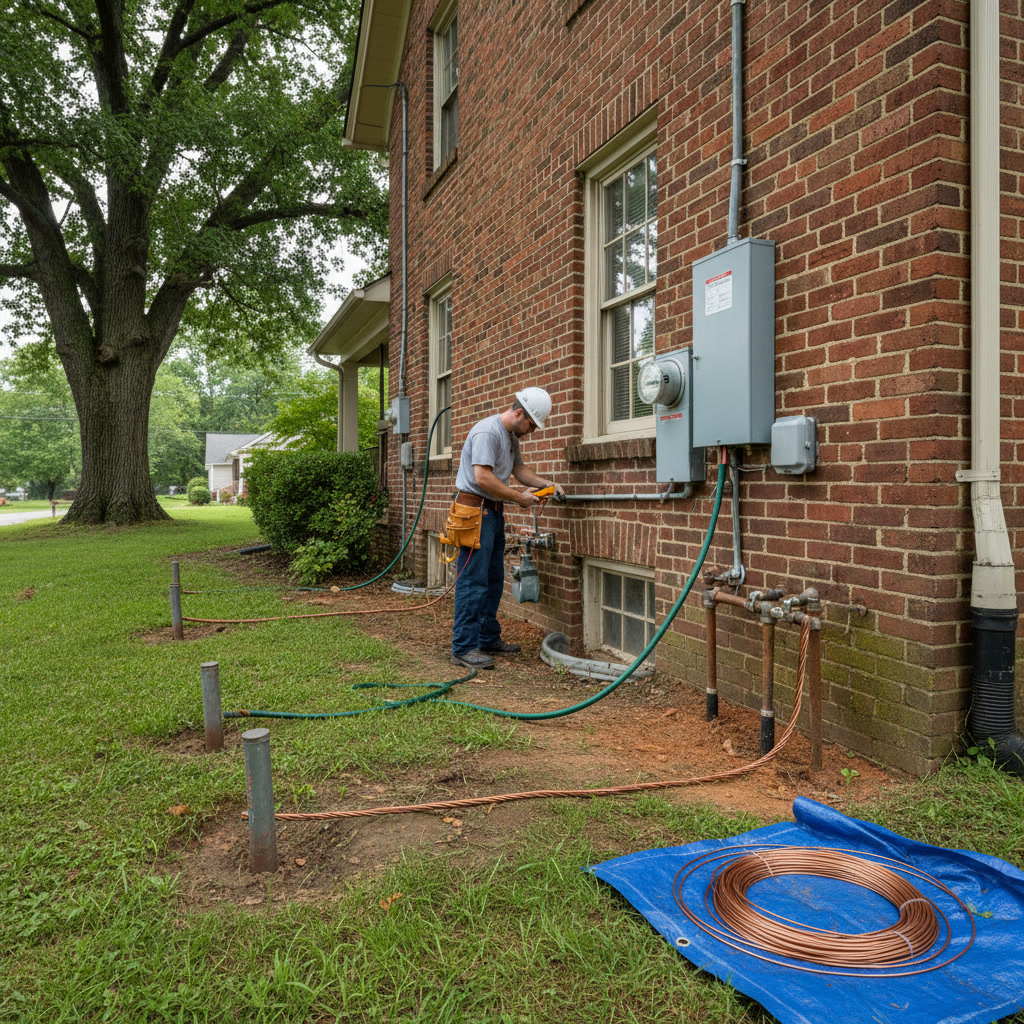
Your home’s electrical grounding system works behind the walls, protecting your family and appliances from dangerous electrical surges and faults. When this system fails or becomes outdated, the risks multiply quickly. Many Clarksville homeowners don’t realize their grounding system is inadequate until they experience repeated appliance failures, unexplained shocks, or failed electrical inspections. A grounding system upgrade isn’t just about code compliance; it’s about creating a safe foundation for your home’s entire electrical network.
This guide walks you through the specific warning signs that indicate your home needs better grounding, what happens when grounding fails, and why older homes in the Clarksville area are particularly vulnerable.
What a Grounding System Actually Does
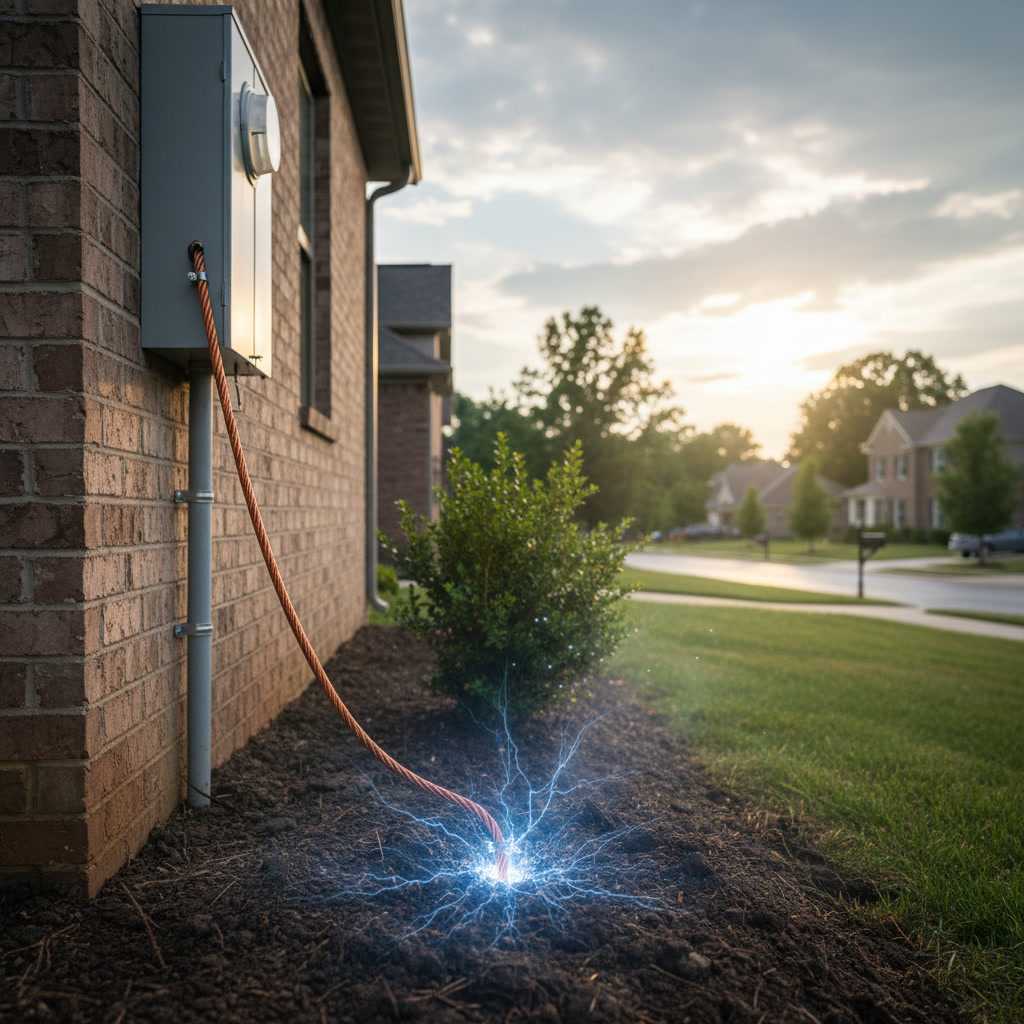
A grounding system provides a safe pathway for excess electrical current to flow directly into the earth instead of through your body, appliances, or home structure. When lightning strikes nearby, a power surge occurs, or a fault develops in your wiring, the grounding system channels that energy away from anything it could damage.
Modern grounding systems typically include copper grounding rods driven eight feet into the earth, bonding connections to metal water pipes, and a network of grounding wires connecting every outlet, switch, and appliance in your home. Older systems may rely on just a connection to metal plumbing, which becomes ineffective if those pipes are replaced with PVC or if corrosion breaks the connection.
Without proper grounding, fault currents have nowhere safe to go. They can energize metal appliance casings, create fire hazards in your walls, or damage sensitive electronics worth thousands of dollars.
Your Home Was Built Before 1970
Homes constructed before modern electrical codes took effect often have inadequate or completely absent grounding systems. Many properties built in the 1950s and 1960s relied solely on metal water supply pipes for grounding, a method that fails when those pipes corrode or get replaced with plastic.
If your Clarksville home has two-prong outlets instead of three-prong grounded outlets, that’s a clear sign your electrical system lacks proper grounding infrastructure. Some homeowners replace two-prong outlets with three-prong versions without actually adding grounding wires, which creates a dangerous illusion of safety.
Older homes may also have insufficient grounding rod installations. Codes now require at least one eight-foot copper rod, and in many soil conditions, two rods spaced at least six feet apart. Homes grandfathered under old codes may have shorter rods, steel rods that corrode, or single rods in high-resistance soil.
Pro Tip: If you’re planning any major electrical work like an electrical panel upgrade, that’s the ideal time to bring your entire grounding system up to current code standards.
You Experience Frequent Electrical Shocks
Small static shocks are normal, but if you regularly feel a tingle or jolt when touching appliances, metal fixtures, or even water faucets, your grounding system is failing to do its job. These shocks indicate that electrical current is finding pathways it shouldn’t, using your body to reach ground instead of following proper grounding conductors.
Common scenarios include feeling a shock when touching the metal casing of a washing machine, refrigerator, or dishwasher. You might notice tingles when adjusting a lamp or touching a computer case. Some homeowners report feeling shocks through water when washing dishes or showering, which happens when faulty appliances energize metal plumbing.
These aren’t minor inconveniences. They’re warning signs that a more serious shock or electrical fire could occur. The current you’re feeling represents a fault that proper grounding would have already diverted safely into the earth.
Your Electrical Panel Lacks a Grounding Bus
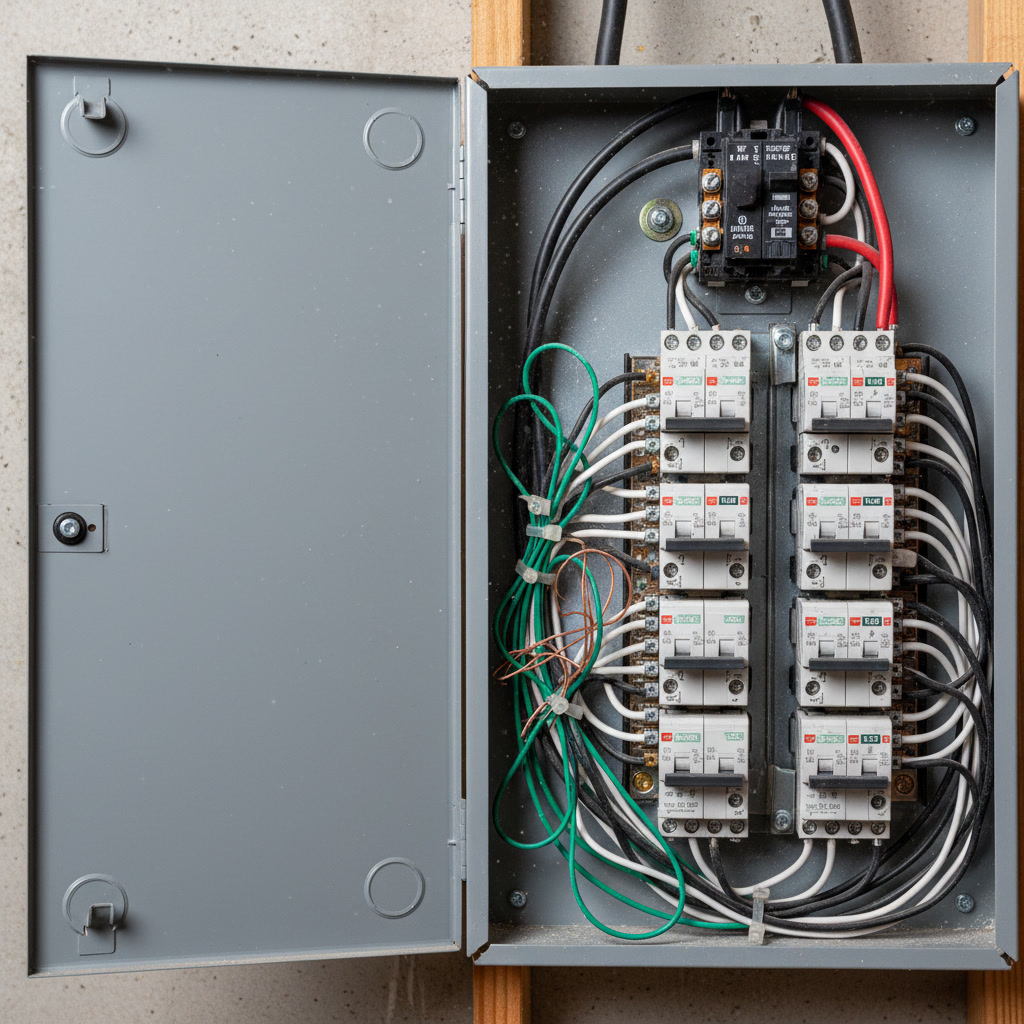
Open your electrical panel (or have a licensed electrician do this safely) and look for a metal bar where bare copper or green wires connect. This grounding bus bar is essential for tying all your home’s grounding conductors together and connecting them to the grounding electrode system.
Older panels sometimes have grounding and neutral wires sharing the same bus bar, which violates current code in subpanels and creates safety issues. Proper grounding requires separate buses for ground and neutral conductors in most installations.
If your panel is an outdated brand like Federal Pacific or Zinsco, it likely doesn’t meet modern grounding standards and should be replaced entirely. Many homes still operating with these panels face increased fire risk and insurance complications. Understanding the costs associated with panel upgrades helps you budget for this critical safety improvement.
Appliances and Electronics Fail Prematurely
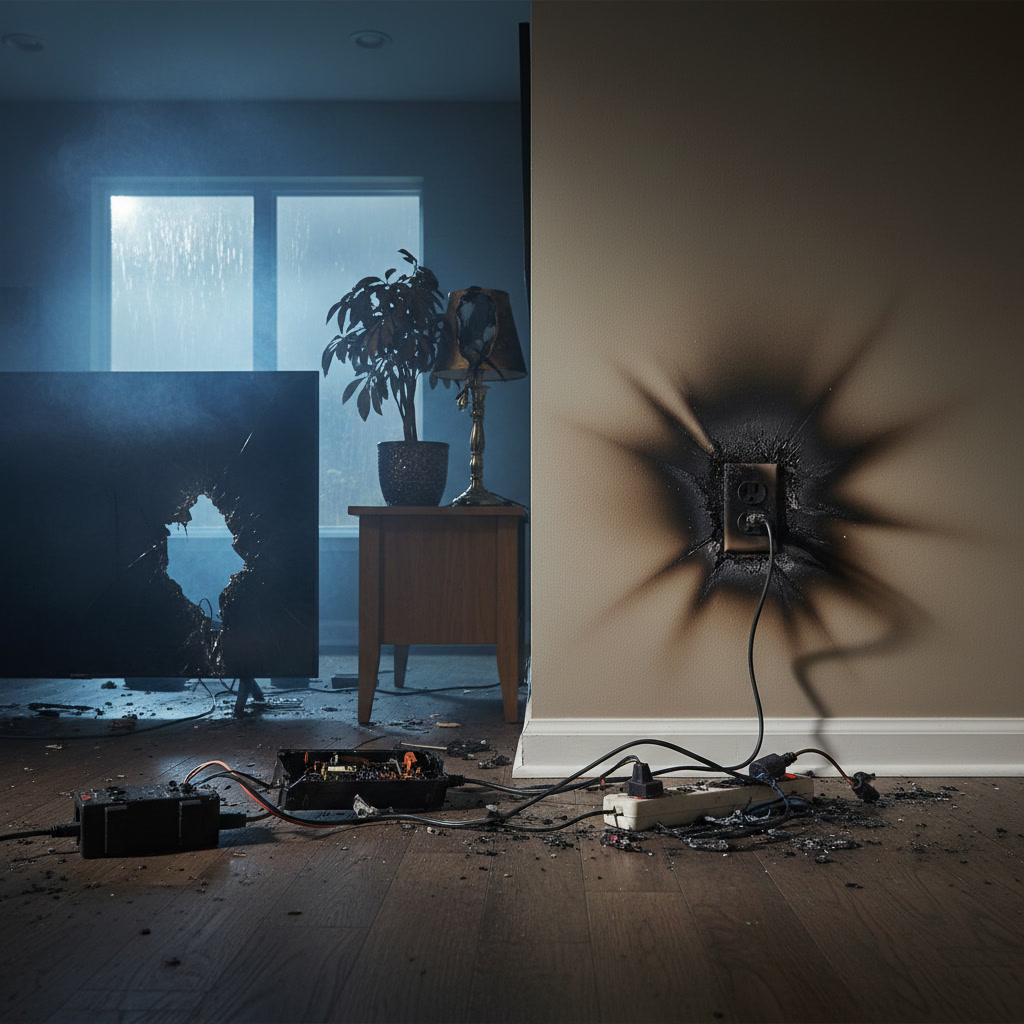
When computers, televisions, kitchen appliances, or HVAC equipment fail repeatedly or burn out well before their expected lifespan, inadequate grounding may be the culprit. Modern electronics contain sensitive circuits that power surges and voltage fluctuations destroy quickly.
Proper grounding protects these devices by providing a reference point for voltage regulation and a pathway for surge energy. Without it, even small power fluctuations cause cumulative damage that shortens equipment life.
You might notice lights flickering when large appliances turn on, devices resetting randomly, or circuit breakers tripping without obvious cause. These symptoms often indicate grounding problems that allow voltage instability throughout your electrical system.
Homeowners who invest in high-end appliances, home office equipment, or entertainment systems have the most to lose from poor grounding. A grounding system upgrade costs far less than repeatedly replacing damaged electronics.
You’re Adding High-Power Electrical Loads
Planning to install an electric vehicle charger, spa, or other high-power equipment creates new demands on your electrical system. These installations require robust grounding to operate safely and meet code requirements.
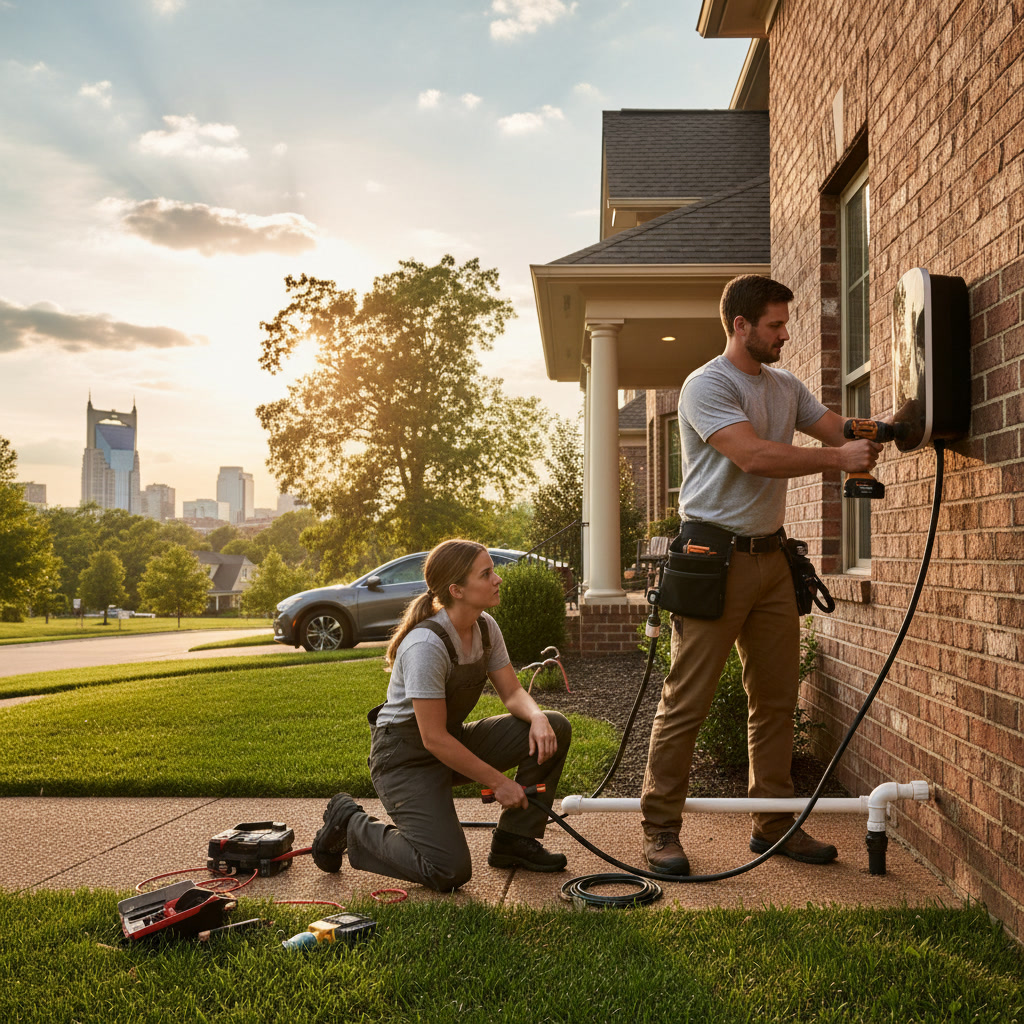
An EV charger installation typically draws 40 to 80 amps, creating significant fault current potential if something goes wrong. Without proper grounding, a fault in the charging equipment could energize your vehicle’s metal body or create a fire hazard in your garage.
Similarly, a spa or hot tub electrical hookup combines high voltage with water, making proper GFCI protection and grounding absolutely critical. These installations often trigger permit inspections that reveal existing grounding deficiencies throughout the home.
Before adding these power-hungry amenities, have a licensed electrician evaluate your grounding system capacity. Upgrading grounding infrastructure as part of the installation project costs less than doing it as a separate emergency repair later.
Your Home Has Ungrounded Three-Prong Outlets
This dangerous situation occurs when homeowners or previous contractors replaced old two-prong outlets with modern three-prong versions without actually installing grounding wires. The outlets look safe and accept three-prong plugs, but they provide no actual ground protection.
You can identify ungrounded outlets using an inexpensive outlet tester available at any hardware store. These devices have three lights that indicate proper wiring, open grounds, reversed polarity, and other common faults. Testing every outlet in your home takes less than an hour and reveals exactly where grounding problems exist.
If tests show open grounds, you have three options. You can retrofit grounding wires back to the panel (the best solution), install GFCI outlets that provide shock protection without actual grounding (a code-compliant compromise for some situations), or leave the two-prong outlets in place and use grounding adapters where needed.
Never assume three-prong outlets guarantee proper grounding, especially in older homes. Verification testing is the only way to know for certain.
Lightning Strikes or Power Surges Caused Damage
If your home has experienced damage from lightning or power surges, even if the incident seemed minor, your grounding system may have been compromised. Lightning can vaporize sections of grounding conductors, corrode connections, or physically damage grounding rods without visible surface evidence.
After any lightning strike near your property, have your grounding system professionally tested. Electricians use specialized equipment to measure ground resistance and verify that grounding electrodes still provide adequate earth contact. High resistance readings indicate the system needs repair or enhancement.
Homes with insufficient grounding experience more severe damage from lightning and surges because fault energy has nowhere to dissipate. Installing whole-home surge protection only works effectively when connected to a robust grounding system that can safely absorb and redirect surge energy.
Key Takeaway: Ground resistance should measure 25 ohms or less for optimal protection. Rocky or sandy soil in some Clarksville areas may require multiple grounding rods or enhanced grounding methods to achieve this target.
You’re Buying or Selling Your Home
Home inspections frequently identify grounding deficiencies that become negotiation points or deal-breakers. If you’re selling, addressing grounding issues proactively prevents last-minute repair negotiations and gives buyers confidence in your home’s safety.
If you’re buying, a thorough electrical inspection should include grounding system evaluation. Many attractive older homes in Clarksville have charm and character but electrical systems that haven’t been updated since original construction. Budget for a grounding system upgrade as part of your purchase planning if the inspection reveals deficiencies.
Some insurance companies now require proof of adequate grounding and updated electrical systems, especially for homes over 40 years old. Failing to meet these requirements can result in coverage denial or significantly higher premiums.
What a Professional Grounding System Upgrade Includes
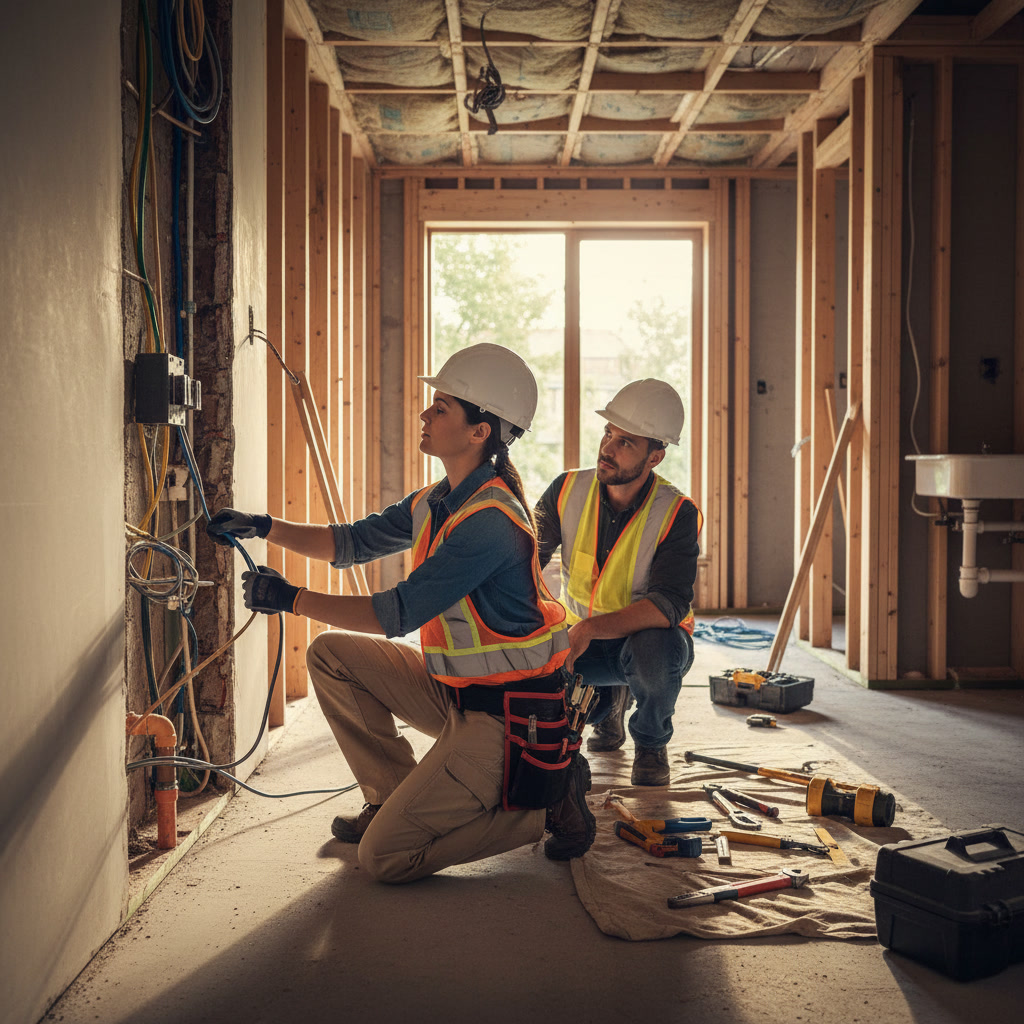
A comprehensive grounding system upgrade starts with testing your existing system to identify specific deficiencies. An electrician measures ground resistance, verifies bonding connections, and checks continuity throughout your grounding network.
The upgrade typically includes installing new copper grounding rods, replacing corroded or undersized grounding conductors, adding proper bonding to your electrical panel, and ensuring every circuit has an equipment grounding conductor. In homes with metal water pipes, the system includes bonding those pipes to the grounding electrode system.
Modern installations also bond other metal systems in your home, including gas piping, HVAC ductwork, and metal structural elements that could become energized during a fault. This comprehensive bonding creates a unified grounding system that protects every part of your home.
The work requires permits and inspections in most jurisdictions, ensuring the installation meets current National Electrical Code standards and local amendments. Professional electricians familiar with Clarksville electrical requirements navigate these regulatory requirements smoothly.
The Cost of Delaying a Grounding System Upgrade
Putting off necessary grounding improvements creates escalating risks and costs. The longer you wait, the more opportunities exist for electrical faults to cause fires, damage expensive equipment, or injure family members.
A single lightning strike or power surge can destroy thousands of dollars worth of electronics, appliances, and wiring in an inadequately grounded home. The deductible on your insurance claim alone may exceed the cost of proper grounding installation.
Electrical fires caused by grounding failures can result in total property loss and tragic injuries. While properly grounded systems aren’t fail-safe, they dramatically reduce these risks by providing safe pathways for fault currents and enabling protective devices like circuit breakers and GFCI outlets to function correctly.
Beyond safety, inadequate grounding limits your options for home improvements. You can’t safely add modern conveniences like EV chargers, updated kitchen appliances, or smart home systems without first establishing proper grounding infrastructure.
Frequently Asked Questions
How long does a grounding system upgrade take?
Most residential grounding system upgrades take one to two days, depending on your home’s size and the extent of work needed. Simple additions like installing grounding rods and updating panel connections might finish in a few hours. Comprehensive retrofits that include running grounding conductors to ungrounded outlets throughout the home take longer.
Can I upgrade my grounding system myself?
While homeowners can legally perform electrical work on their own homes in Tennessee, grounding systems require specialized knowledge, proper testing equipment, and permit inspections. Mistakes in grounding create invisible hazards that may not become apparent until a fault occurs. Licensed electricians have the training and tools to ensure your system meets code and functions properly.
Will a grounding upgrade require opening walls?
Not necessarily. Many grounding upgrades focus on the service entrance, panel connections, and grounding electrode system without disturbing interior walls. If your goal includes grounding previously ungrounded outlets, some wall access may be required, but electricians often route new conductors through basements, crawl spaces, and attics to minimize invasive work.
How do I know if my grounding rods are still good?
Ground resistance testing determines whether your grounding electrodes maintain proper earth contact. Electricians use specialized meters that inject a test current and measure resistance. Readings above 25 ohms indicate problems that might require additional grounding rods, chemical grounding enhancements, or replacement of corroded electrodes.
Does homeowners insurance cover grounding system upgrades?
Standard homeowners insurance typically doesn’t cover electrical upgrades performed for code compliance or preventive maintenance. However, if a covered peril like lightning damages your grounding system, repairs may be covered under your policy. Some insurers offer discounts for homes with updated electrical systems, potentially offsetting upgrade costs over time.
Protecting Your Clarksville Home with Proper Grounding
Your home’s grounding system is fundamental electrical infrastructure that protects your family, property, and investments every day. Recognizing the warning signs early and addressing grounding deficiencies before they cause damage is both the safest and most cost-effective approach.
Black Cat Electric and Plumbing provides professional grounding system evaluations and upgrades throughout Clarksville and surrounding Middle Tennessee communities. Our licensed electricians assess your current system, explain exactly what improvements your home needs, and complete the work with transparent pricing and quality you can count on. Call (615) 479-0327 to schedule an electrical safety inspection and learn whether your home would benefit from a grounding system upgrade.