When you hire an electrician and plumber for the same project, timing and coordination become critical to keeping work on schedule and avoiding costly delays. Most homeowners underestimate how much sequencing matters when two trades share the same workspace. The good news is that working with a company that handles both disciplines in-house eliminates most of the headaches tied to multi-trade projects, from scheduling conflicts to finger-pointing when something goes wrong.
Why Some Projects Require Both Trades
Certain home improvements simply cannot be completed by one trade alone. Kitchen remodels nearly always require electrical work for new lighting, outlets, and appliance circuits alongside plumbing for sinks, dishwashers, and refrigerator water lines. Bathroom renovations follow the same pattern with vanity lighting, exhaust fans, heated floors, new shower valves, and toilet relocations.
Adding a wet bar to your basement means running both water supply and drain lines while also installing dedicated circuits for small appliances, under-cabinet lighting, and a mini-fridge. Installing a hot tub or swim spa requires coordinated electrical hookup for the heater and pumps, plus plumbing connections for fill and drain systems.
Even seemingly simple projects like replacing a water heater involve both trades. The unit needs proper water connections, gas or electric supply, and in many cases updated electrical panels to handle increased amperage loads.
The Coordination Challenge in Franklin
Coordinating separate electrical and plumbing contractors introduces complexity that many homeowners in Franklin do not anticipate until the project is underway. Each trade operates on its own schedule, which means you are juggling two sets of availability windows, two separate arrival times, and two different timelines for material procurement.
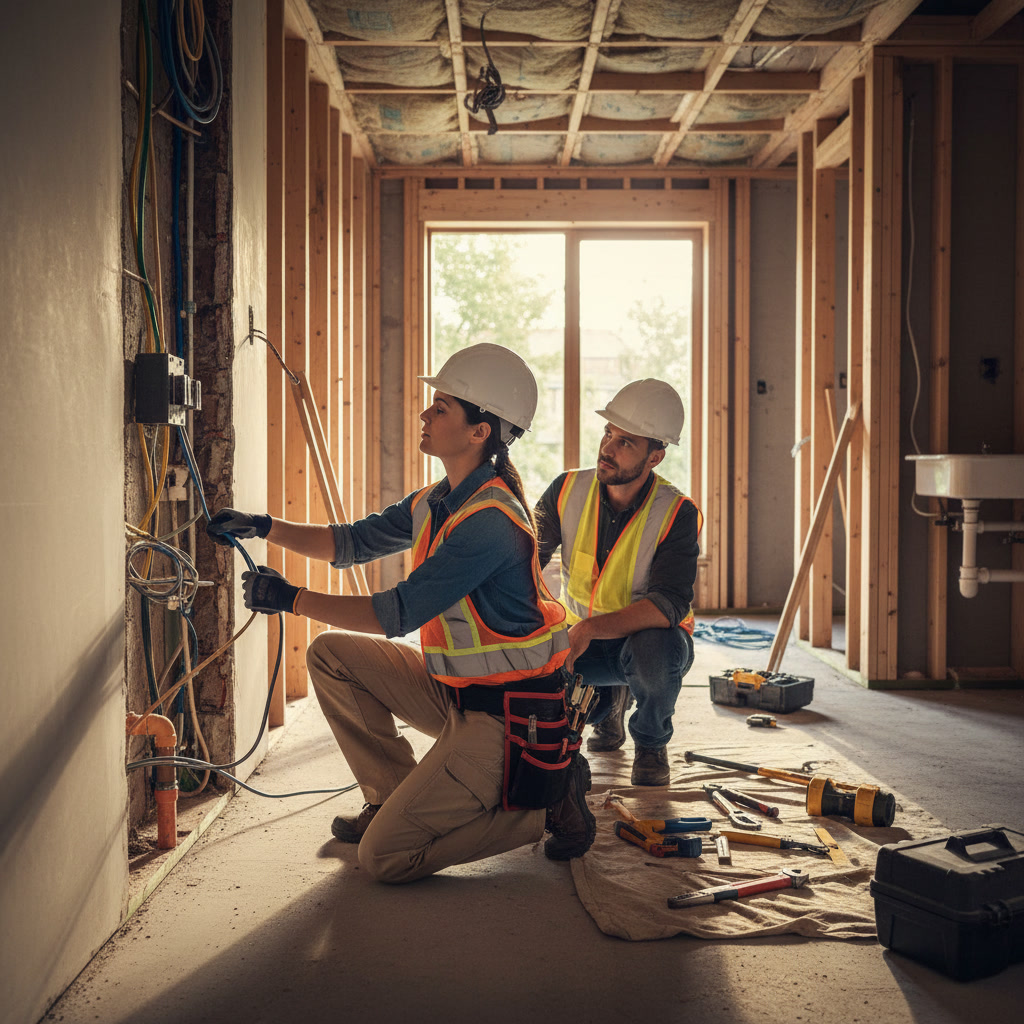
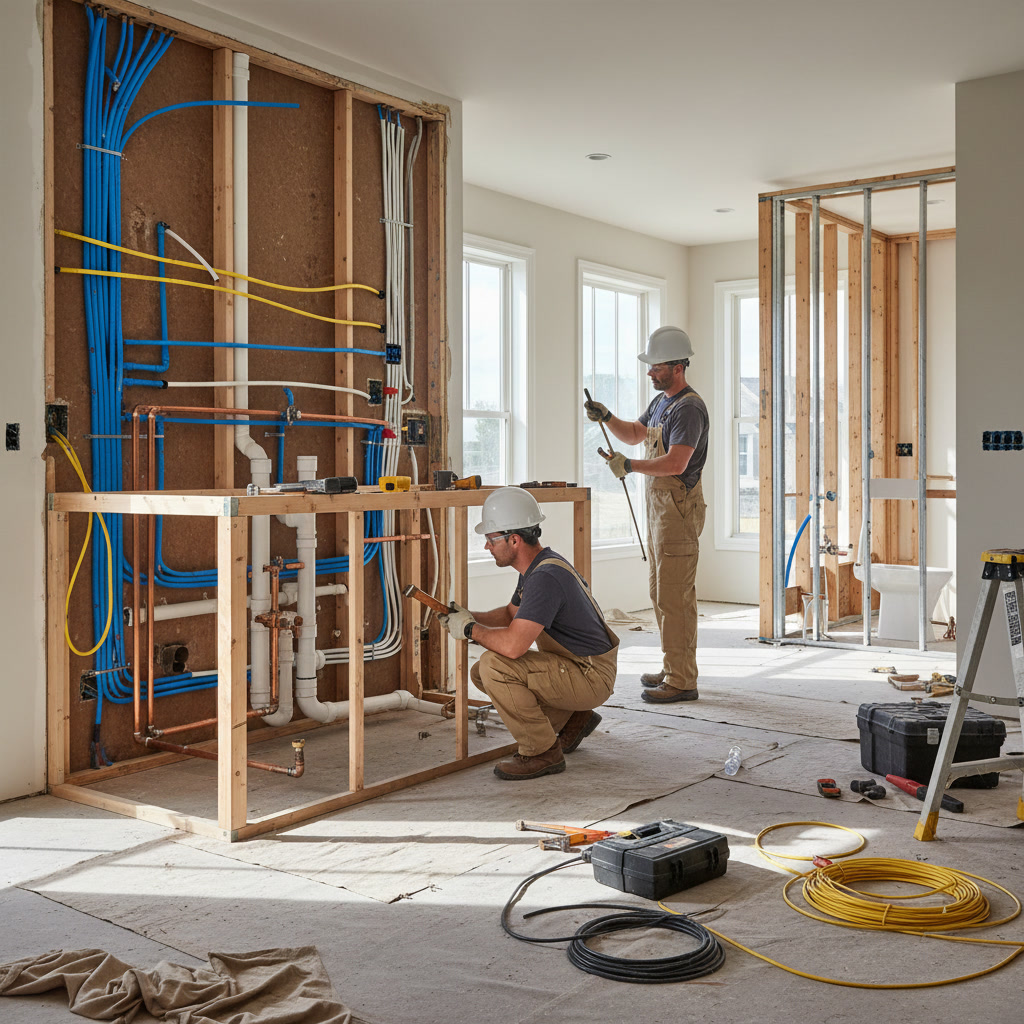
The sequencing becomes especially tricky. Plumbers typically need to rough in their work first, running supply and drain lines through wall cavities and floor joists. Electricians follow, routing cables and installing boxes around the plumbing that is already in place. If either trade misses their window or needs to make changes mid-project, the entire schedule shifts.
Miscommunication between trades is another common friction point. An electrician may drill through a joist where a plumber planned to run a drain line, or a plumber might cover an electrical box that needs to remain accessible. Without a single point of accountability, determining who fixes the mistake and who pays for it often becomes a dispute.

How Dual-License Companies Solve the Problem
Working with a company licensed for both electrical and plumbing services removes most of the coordination headaches. You deal with one phone number, one estimate, one invoice, and one warranty. The company manages all internal scheduling and ensures both trades arrive when needed without you acting as the middleman.
A unified crew already knows how electrical and plumbing systems interact. They understand code requirements for maintaining proper clearances between water lines and electrical panels. They know that GFCI outlets need placement near sinks and that drain vents cannot interfere with electrical service entry points.
When something unexpected arises during the project, such as discovering outdated wiring or corroded pipes behind a wall, the team can address both issues immediately rather than waiting for a second contractor to assess and quote the additional work separately.
Step-by-Step: What the Project Timeline Looks Like
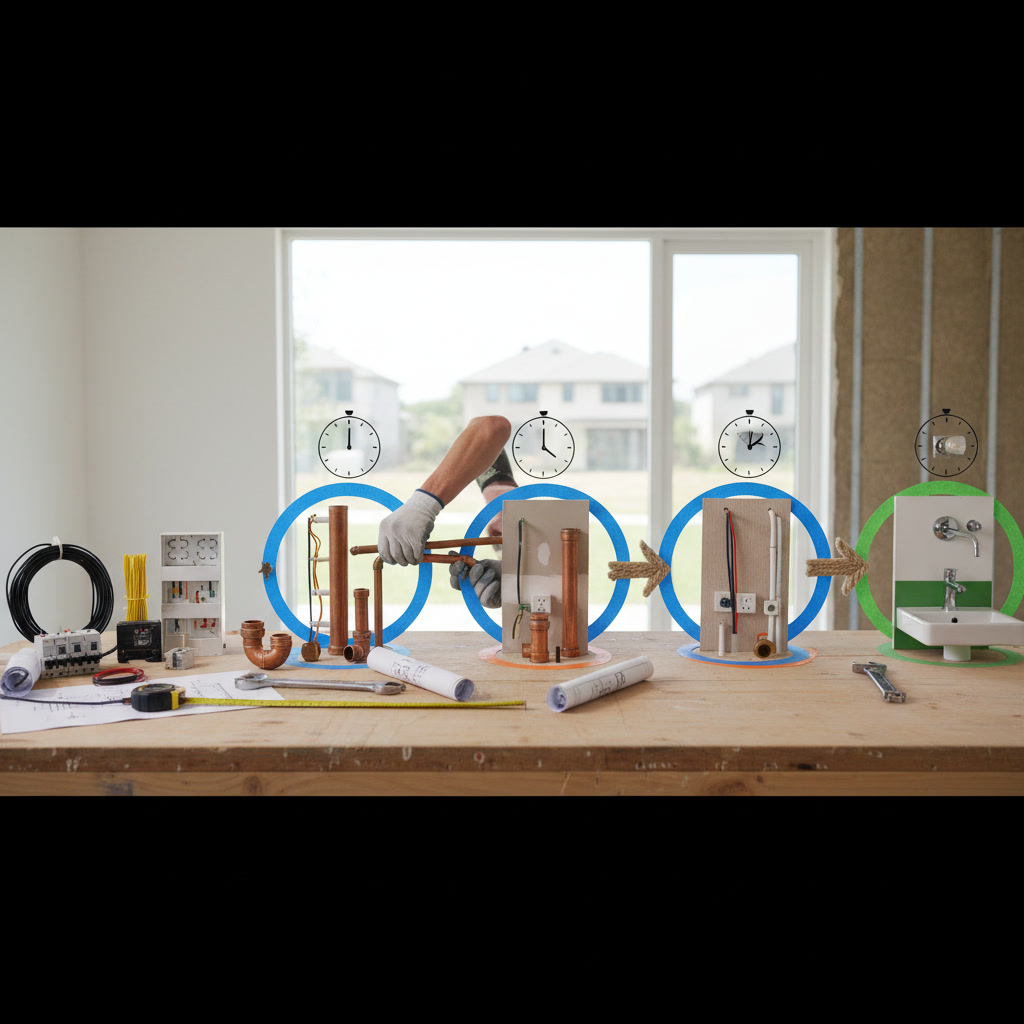
Understanding the typical flow of a dual-trade project helps set realistic expectations. Here is how most jobs unfold when both electrical and plumbing work are involved.
Initial consultation and assessment: A technician evaluates both the electrical and plumbing scope. They identify any code compliance issues, determine if panel upgrades or main line replacements are necessary, and create a unified work plan.
Permitting and approvals: The contractor pulls necessary permits for both trades. In many Tennessee municipalities, electrical and plumbing work require separate permit applications even when performed by the same company. This step typically takes three to five business days.
Rough-in phase: Plumbing rough-in happens first. Supply lines, drain pipes, and vents get installed while walls are still open. Electrical rough-in follows immediately after, with cables routed and boxes mounted. Both trades coordinate on shared wall cavities to avoid conflicts.
Inspection: A municipal inspector reviews the rough-in work before anything gets covered. Some jurisdictions require separate inspections for electrical and plumbing, while others allow combined reviews. Failed inspections delay the entire project, which is why working with experienced, licensed professionals matters.
Finish work: Once rough-in passes inspection, walls get closed up and finish surfaces applied. Electricians return to install outlets, switches, fixtures, and cover plates. Plumbers install faucets, fixtures, and final connections.
Final inspection and testing: The inspector returns to verify finish work meets code. The contractor tests all systems to ensure proper operation before signing off on the project.
Managing Costs When Two Trades Are Involved
Pricing for dual-trade projects varies widely based on scope, but understanding the cost structure helps avoid sticker shock. Electrical work is typically priced by the circuit, outlet, or fixture, while plumbing quotes are based on fixture count, linear feet of pipe, and complexity of routing.
Combining both trades under one contractor often results in lower total costs than hiring separately. You avoid duplicate trip charges, and the company can order materials in bulk rather than each trade sourcing their own supplies. Labor efficiency improves when crews do not have to wait on each other or rework installations due to miscommunication.
Major projects involving electrical service upgrades or whole-home repiping carry significant costs, but attempting to separate the work between contractors rarely saves money and frequently costs more when coordination failures lead to delays and change orders.
Always request a detailed, itemized estimate that breaks out electrical and plumbing costs separately. This transparency allows you to make informed decisions about which portions of the project are essential now and which might be deferred to a later phase if budget is tight.
Code Compliance and Inspection Requirements
Tennessee state code and local municipal amendments govern how electrical and plumbing systems must be installed. Compliance is not optional, and inspectors will red-tag work that does not meet standards.
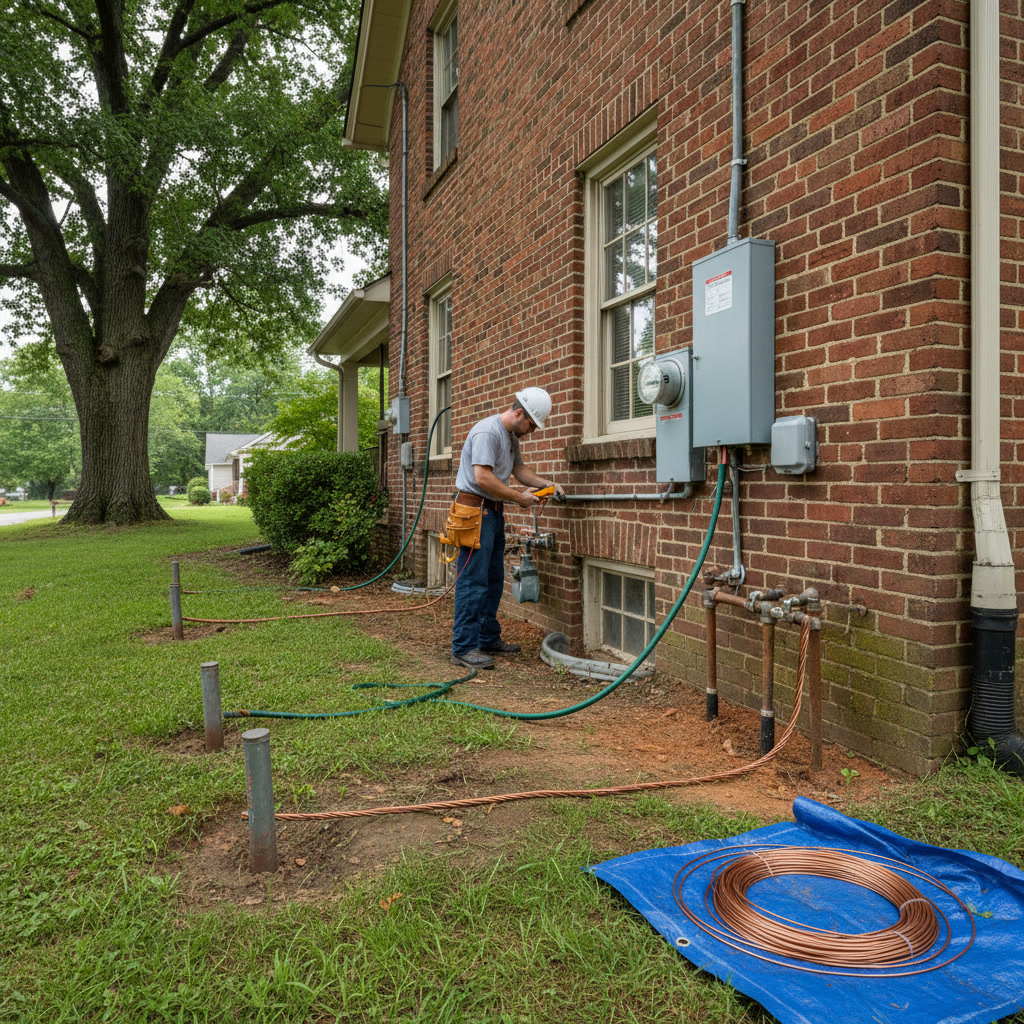
For electrical, this includes proper wire sizing for the load, correct breaker ratings, GFCI and AFCI protection where required, and maintaining code-specified clearances around panels and service equipment. Grounding systems must meet current standards, which often means updating older homes that lack adequate grounding infrastructure.
Plumbing codes dictate pipe materials, slope requirements for drains, venting configurations, and backflow prevention. Water heater installations must include proper TPR valve discharge routing, seismic strapping in applicable areas, and adequate combustion air for gas units.
A qualified contractor stays current on code changes and knows local inspector preferences. This knowledge prevents failed inspections that add days or weeks to your project timeline.
Common Projects That Need Both Disciplines
Understanding which home improvements require dual trades helps you plan and budget appropriately. Kitchen remodels top the list, often involving new appliance circuits, undercabinet lighting, pendant fixtures, garbage disposal wiring, sink replacements, dishwasher connections, and refrigerator water lines.
Bathroom renovations follow closely behind. Adding a new bathroom requires running supply and drain lines plus installing dedicated circuits for lighting, exhaust fans, and potentially in-floor heating or towel warmers. Even basic bathroom updates often need GFCI outlet upgrades and fixture replacements that touch both trades.
Outdoor living spaces frequently need coordinated work. Installing an outdoor kitchen means running water for a sink, gas for a grill, and electrical for lighting, outlets, and potentially a beverage cooler. The same applies when adding an outdoor outlet near a garden where you also need irrigation connections.
Basement finishing projects often require extensive electrical for new lighting and outlets alongside plumbing for a wet bar, bathroom, or laundry hookups. Water heater replacements sometimes trigger the need for panel upgrades when switching from gas to electric models or increasing tank capacity.
Red Flags When Hiring Contractors
Not every company offering both electrical and plumbing services delivers the same quality or value. Watch for warning signs that indicate you might be dealing with an unreliable contractor.
A contractor who cannot provide current license numbers for both trades is the biggest red flag. Tennessee requires separate licenses for electrical and plumbing work, and a legitimate dual-trade company will readily share both. Verify active status through the Tennessee Board for Licensing Contractors before signing any contract.
Vague estimates that lump electrical and plumbing into a single line item without detail make it impossible to understand what you are paying for or to comparison shop. Honest contractors provide itemized quotes that break down materials, labor, and permit fees for each trade.
Pressure to skip permits or rush through inspections is another serious concern. Unpermitted work can make your home difficult to sell, void insurance coverage in the event of a claim, and expose you to fines from local code enforcement.
Poor communication during the estimate phase usually gets worse once the project starts. If a contractor takes days to return calls or cannot provide a clear timeline during the sales process, expect the same treatment when you need updates or have concerns mid-project.
How Material Choices Affect Both Trades
The fixtures and finishes you select for a project impact both the electrical and plumbing scope. Choosing a jetted tub instead of a standard soaker adds dedicated electrical circuits for the pump and potentially GFCI protection. Opting for a tankless water heater over a traditional tank model often requires panel capacity upgrades to handle the higher electrical demand.
High-end kitchen faucets with integrated water filtration systems need both plumbing connections and electrical hookups if they include features like touchless operation or heated water dispensers. Installing a bidet toilet seat requires a nearby GFCI outlet in addition to the water supply line.
Discuss material selections with your contractor early in the planning phase. They can identify which choices trigger additional electrical or plumbing requirements and help you evaluate whether the added cost and complexity align with your budget and priorities.
Questions to Ask Before the Project Starts
Clarifying key details upfront prevents misunderstandings and keeps your project on track. Ask how the contractor handles unexpected conditions like discovering knob-and-tube wiring or galvanized pipes that need replacement. A solid company will have a clear process for documenting additional work, obtaining your approval, and adjusting the timeline.
Confirm who pulls permits and schedules inspections. Reputable contractors handle all permitting as part of their service, but some try to push this responsibility onto the homeowner to save time or avoid scrutiny of their work.
Understand the warranty coverage for both trades. Quality contractors stand behind their installations with multi-year warranties on workmanship and honor manufacturer warranties on fixtures and equipment.
Ask about cleanup and site protection. Electrical and plumbing work generates dust, debris, and sometimes requires cutting into finished surfaces. Confirm that the estimate includes removing waste, protecting floors and furniture, and leaving the work area clean each day.
Why Experience With Both Trades Matters
A contractor with deep experience in both electrical and plumbing work brings value that goes beyond simple convenience. They spot potential conflicts before they become problems, like identifying that a new shower valve location will interfere with an existing electrical panel or that adding a kitchen island sink requires rerouting both drain lines and circuits.
Experienced dual-trade contractors know how systems age together. When they see outdated electrical in a home, they often find corresponding plumbing issues because both were likely installed during the same construction period. This insight helps you make better decisions about which upgrades deliver the most value and prevent future problems.
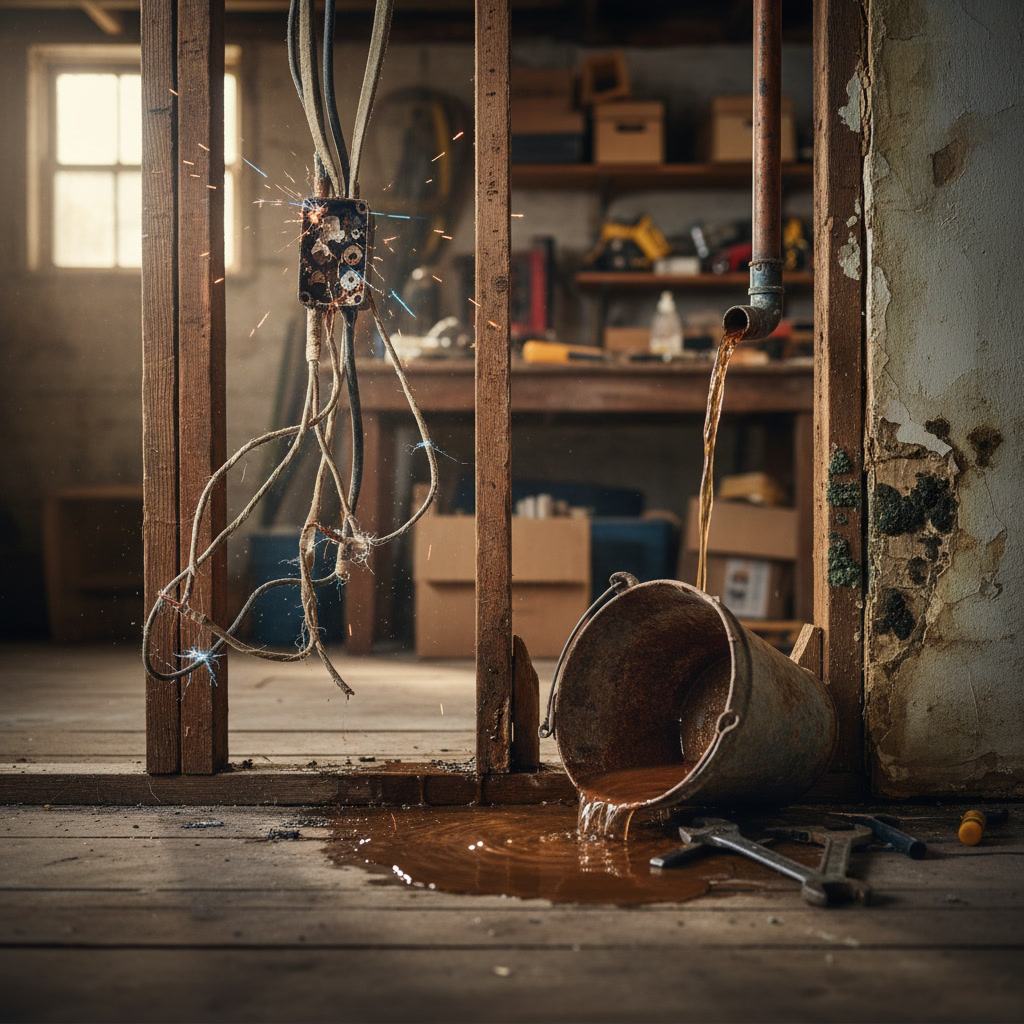
They also understand how one system affects the other. Improper electrical grounding can cause galvanic corrosion in copper pipes. Plumbing leaks can damage electrical components and create shock hazards. A contractor who knows both trades identifies these risks and designs installations that avoid creating new problems while solving existing ones.
Getting Your Project Done Right
Dual-trade projects do not have to be stressful when you work with a contractor who understands how electrical and plumbing systems interact, communicates clearly about sequencing and costs, and takes accountability for the entire job from start to finish. The coordination challenges that plague projects split between multiple contractors disappear when one experienced team handles everything.
Black Cat Electric and Plumbing handles both electrical and plumbing work under one roof, eliminating the scheduling conflicts and miscommunication that often derail multi-trade projects. Whether you are planning a kitchen remodel, adding a bathroom, or tackling a basement finish, our licensed technicians coordinate every phase to keep your project on schedule and within budget. Call (615) 479-0327 to discuss your upcoming project and get a detailed estimate that covers both trades.