Homes rarely experience electrical and plumbing problems in isolation. When you notice flickering lights near your water heater or moisture around an electrical panel, both systems may be failing together. Addressing these issues simultaneously saves time, reduces contractor visits, and prevents one damaged system from compromising the other. Recognizing the warning signs early protects your property and keeps repair costs manageable.
Why These Two Systems Often Fail Together
Your home’s electrical and plumbing infrastructure share more than you might think. Both systems deteriorate at similar rates because they were installed around the same time during construction. Materials age together, insulation breaks down, and connections weaken on parallel timelines.
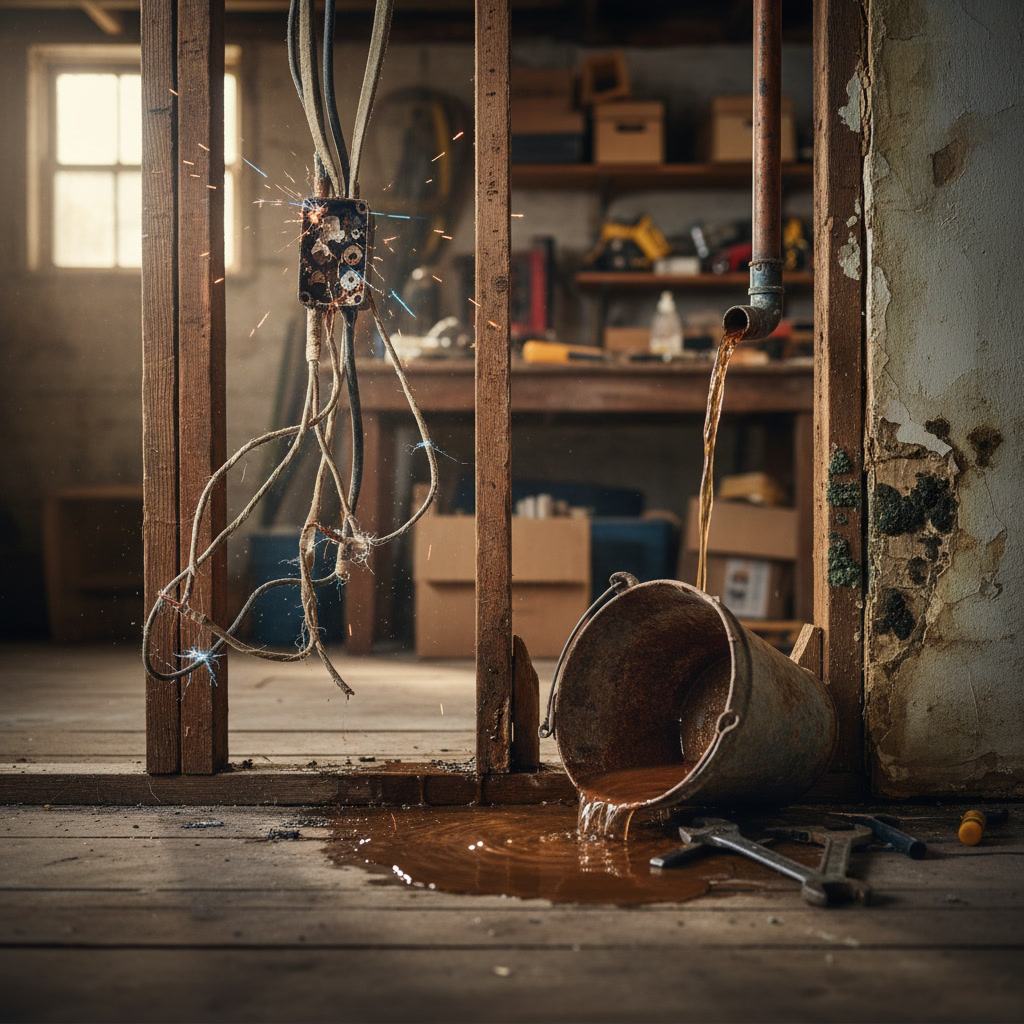
Water damage also creates a direct link between the two. A slow leak inside a wall can corrode wiring insulation, while moisture buildup near an electrical panel invites rust and shorts. This is why homes built in the 1970s and earlier often need both systems overhauled within the same renovation cycle.
When Your Water Heater Becomes an Electrical Risk in Franklin
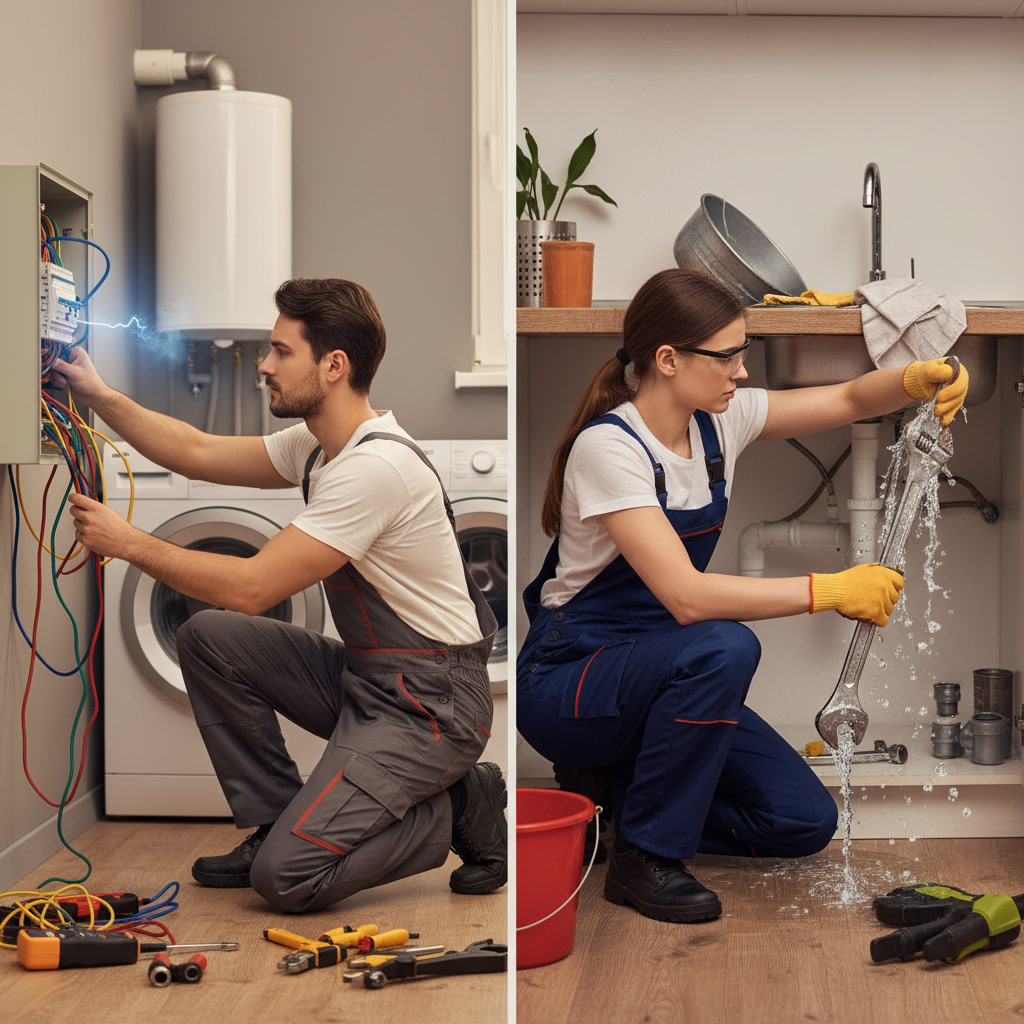
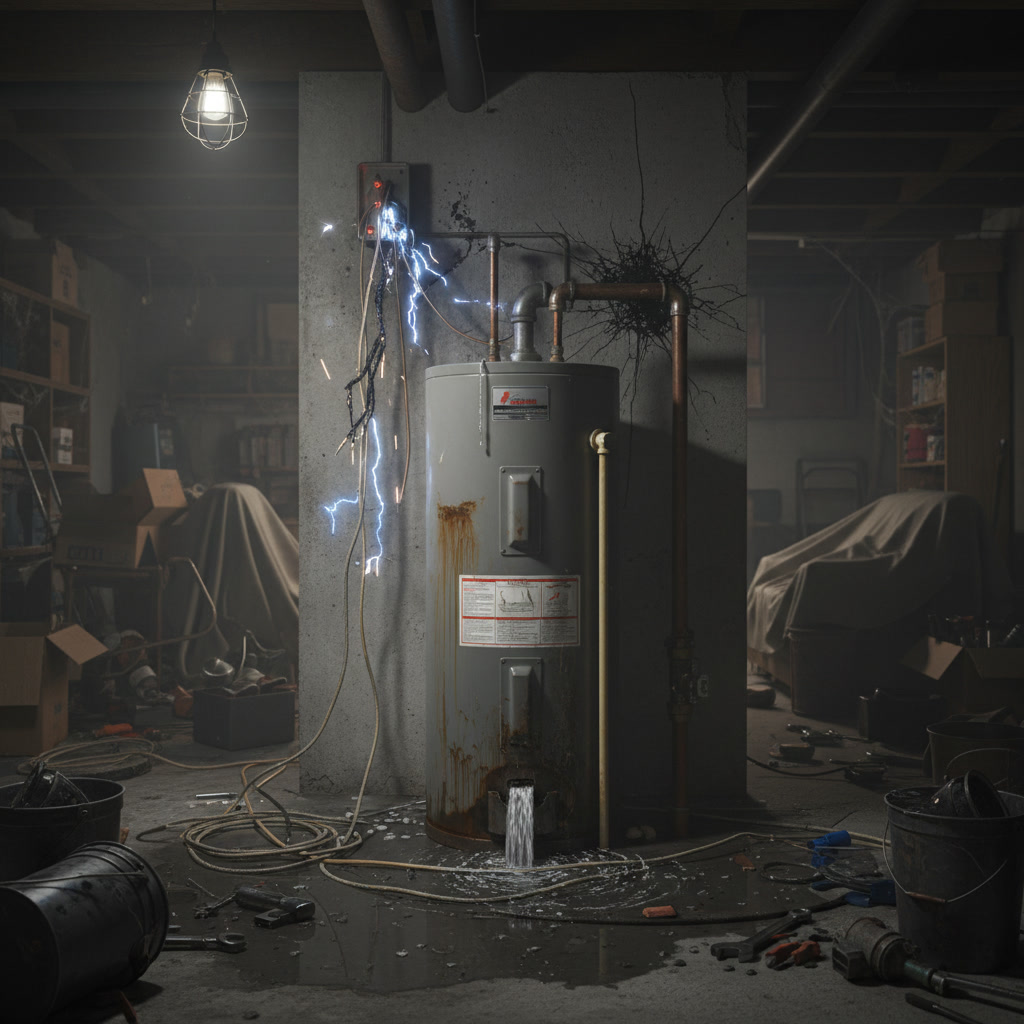
Water heaters sit at the intersection of both trades. An aging tank that leaks can pool water near the electrical connections at its base, creating shock hazards and tripping breakers. If your water heater is more than 10 years old and you see rust stains or moisture around the unit, the electrical hookup may already be compromised.
Frequent breaker trips tied to the water heater circuit often point to corroded terminals or undersized wiring that can’t handle the load. Many older homes were wired for 30-amp water heaters, but modern replacement units draw more power. In these cases, water heater replacement must happen alongside circuit upgrades to prevent overheating and fire risk.
Corroded Pipes and Faulty Grounding
Galvanized steel pipes were once standard in older Nashville-area homes, but they corrode from the inside out. As rust builds up, these pipes lose their ability to conduct electricity safely. Many older homes relied on metal water pipes as part of the grounding system, a practice that fails when pipes corrode or get replaced with PEX plastic.
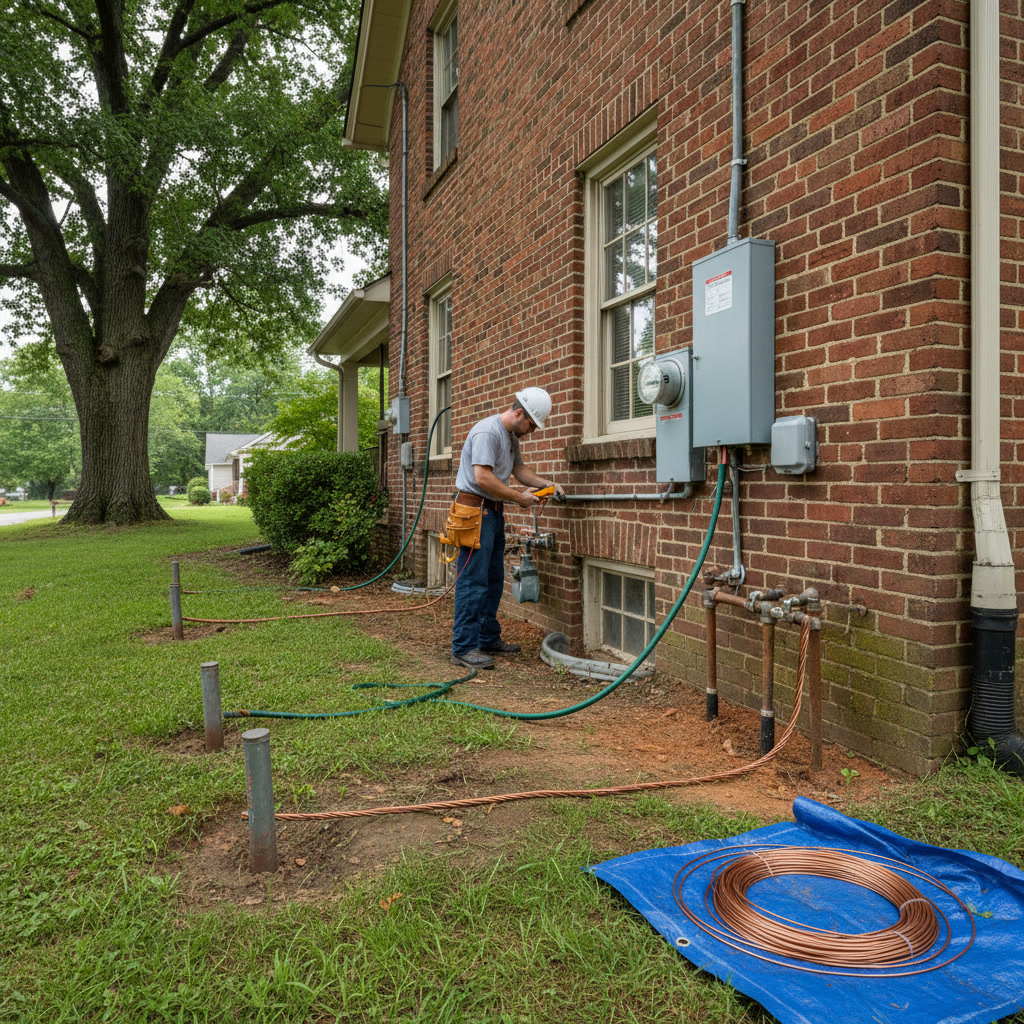
If your home still uses metal piping and you’re planning a repipe, the electrical grounding system must be updated at the same time. Without a proper grounding system installation, your home loses a critical safety feature that diverts dangerous surges away from appliances and people.
Moisture in Walls Signals Dual Trouble
Water stains on ceilings or walls usually mean a plumbing leak, but the electrical damage behind the drywall can be worse. Moisture accelerates corrosion of wire nuts, outlet boxes, and circuit connections. If you see discoloration near light switches or outlets, assume the wiring inside has been exposed to water.
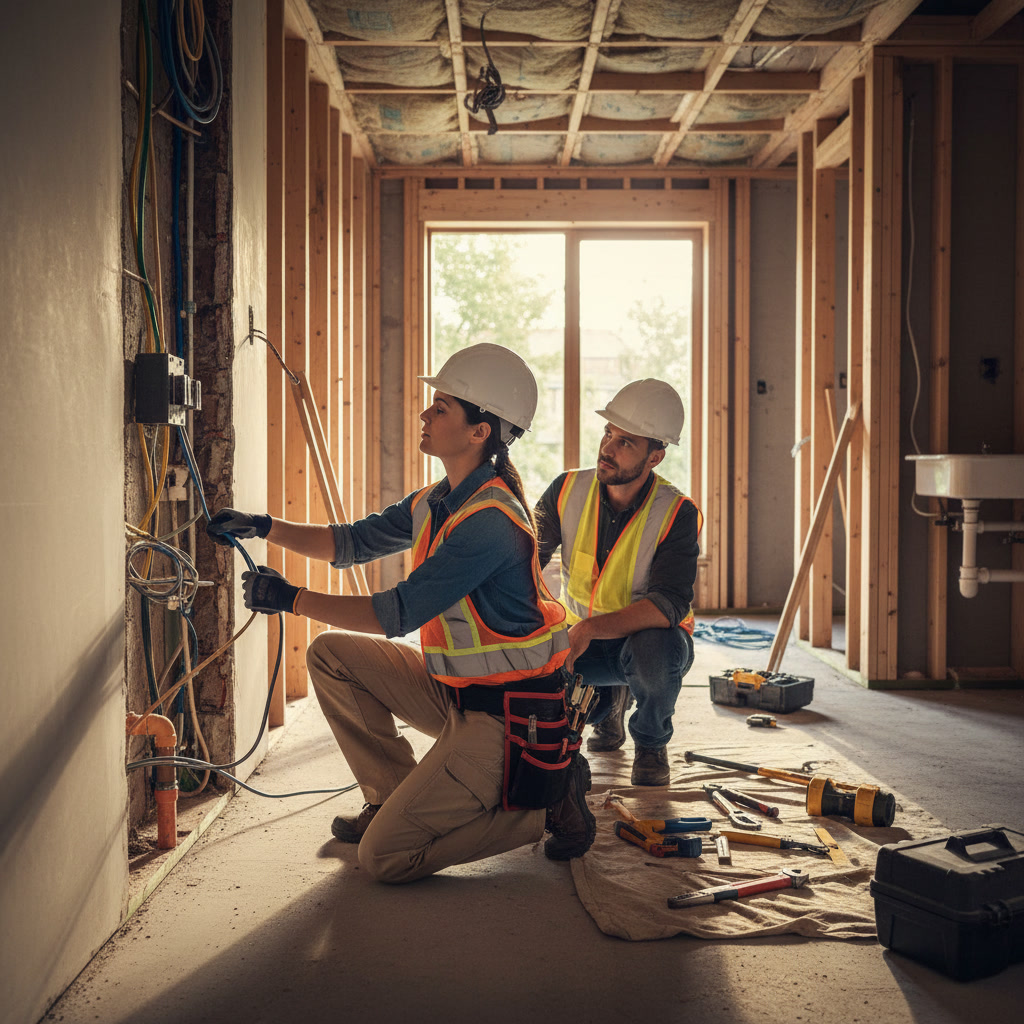
Opening a wall to fix a pipe leak gives you the perfect opportunity to inspect and replace compromised wiring. Waiting to address the electrical side after drywall is patched means tearing into finished walls a second time, doubling your labor costs and extending the disruption.
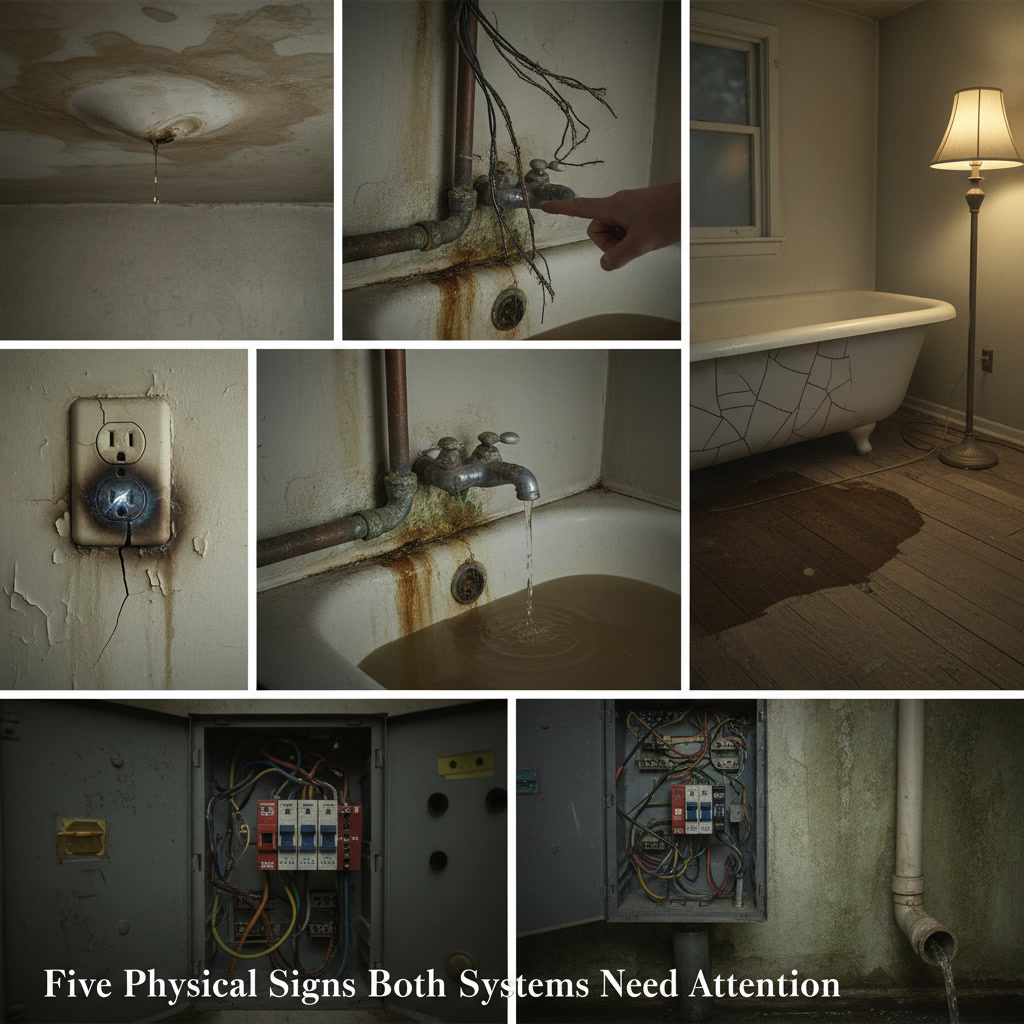
Five Physical Signs Both Systems Need Attention
Watch for these specific indicators that point to combined failures:
- Outlets or switches near sinks, tubs, or laundry areas feel warm or show scorch marks.
- Circuit breakers trip repeatedly when running water-using appliances like dishwashers or washing machines.
- Visible rust or mineral deposits appear on electrical panels, junction boxes, or outlet covers.
- Water pressure drops while lights dim or flicker, suggesting shared infrastructure strain.
- Your main electrical panel sits in a basement or utility room with visible plumbing leaks or high humidity.
Any single item on this list justifies a combined inspection. Multiple signs mean you’re already behind schedule on necessary repairs.
Kitchen and Bathroom Remodels Require Both Trades
Renovating a kitchen or bathroom always involves electrical and plumbing work. Moving a sink means rerouting drain lines and supply pipes, but it also requires relocating outlets to meet current code requirements. Adding a garbage disposal, upgrading to a larger vanity, or installing a soaking tub all demand coordinated work from both trades.
Attempting to phase these projects separately creates scheduling headaches and code violations. Inspectors expect kitchens and bathrooms to meet modern electrical standards, including GFCI protection for all outlets near water sources. If the plumbing inspector arrives before the electrical upgrades are complete, you risk failing inspection and delaying your project.
Whole-Home Upgrades Make Financial Sense
Homes older than 30 years often need comprehensive updates to both systems. The cost of addressing everything at once feels steep, but splitting the work into separate projects rarely saves money. You pay for multiple service calls, duplicate diagnostic time, and repeated wall repairs.
Combining a whole-home water repipe with an electrical service upgrade lets contractors coordinate wall access, share dumpster costs, and complete inspections on a unified timeline. A single construction period also limits the time your household deals with noise, dust, and restricted access to rooms.
Outdoor Projects That Need Both Disciplines
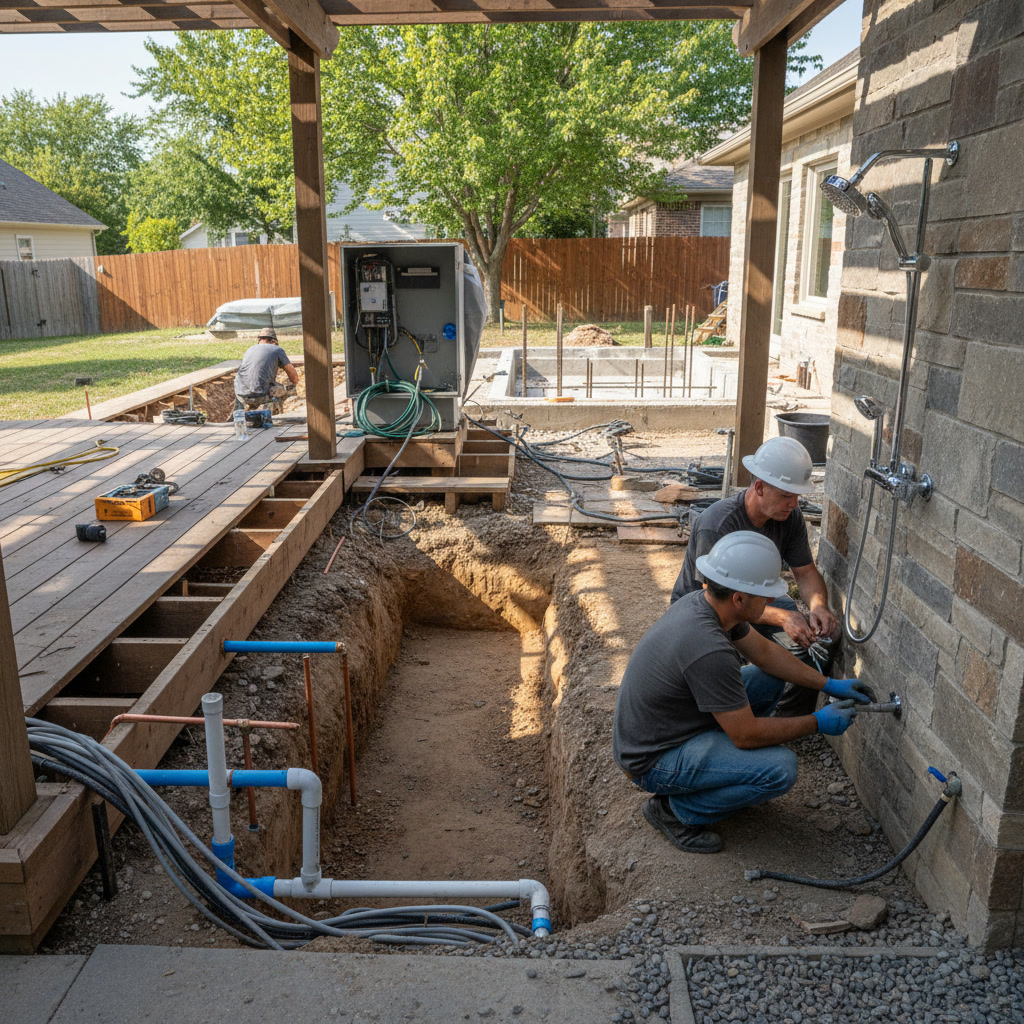
Adding a hot tub, outdoor kitchen, or landscape irrigation system requires electrical circuits and water supply lines. A hot tub demands a dedicated 240-volt circuit with GFCI protection, plus a water source for filling. Installing a spa and hot tub electrical hookup alongside new water lines prevents having to trench your yard twice.
Outdoor outlets and hose bib replacement should happen together if you’re upgrading exterior spaces. Running conduit and water lines in the same trench cuts labor time and minimizes landscape disruption. This approach is especially valuable in Middle Tennessee clay soil, where digging is labor-intensive and restoration work adds unexpected costs.
Code Compliance Triggers for Dual Work
Local building codes in Nashville and surrounding cities often mandate electrical updates when plumbing work reaches a certain scope. Replacing more than 50 percent of a home’s water piping usually triggers a requirement to bring electrical systems up to current code. This means adding GFCI and AFCI protection, upgrading panel capacity, and ensuring proper bonding and grounding.
Ignoring these requirements doesn’t just risk failing inspection. It jeopardizes insurance coverage if a fire or flood occurs and the insurer discovers unpermitted or non-compliant work. Coordinating both trades from the start keeps your project legal, insurable, and safe.
How Aging Infrastructure Affects System Lifespan
Electrical panels typically last 25 to 40 years before internal components weaken and contact points corrode. Copper supply pipes can last 50 years or longer in ideal conditions, but galvanized steel pipes often fail within 40 years. If your home was built in the 1980s or earlier, both systems are approaching or past their expected service life.
Replacing one system without addressing the other leaves you with mismatched infrastructure. A new electrical panel paired with corroded pipes means the next plumbing failure could compromise your fresh electrical investment. Tackling both systems together extends the overall lifespan of your home’s critical infrastructure and avoids the frustration of repeated repairs.
Protecting Your Investment with Coordinated Service
Addressing electrical and plumbing needs together protects your home from cascading failures. Water damage that spreads to wiring creates safety hazards that multiply repair costs and extend downtime. Early detection and combined service calls reduce the total time contractors spend in your home and limit the number of times walls need to be opened.
Black Cat Electric and Plumbing built its reputation by recognizing these connections and offering coordinated service that respects your time and budget. Licensed in both trades, the team can assess your home’s full infrastructure in a single visit and deliver a transparent estimate that covers everything. When Kyle Tapia founded the company, he prioritized honest pricing and clear communication, and that approach hasn’t changed.
If you’ve noticed any of the warning signs described above, or if your home is approaching the age where major system replacements become necessary, scheduling an assessment now prevents emergency repairs later. Black Cat Electric and Plumbing serves homeowners throughout Franklin, Brentwood, Murfreesboro, and the greater Nashville area with veteran-owned professionalism and straightforward pricing. Call (615) 479-0327 to schedule an inspection and get a clear picture of what your home needs.